Best time to visit bardia, Nepal
Discover the best time to visit Bardiya, Nepal, with this complete guide to weather, wildlife, jungle safaris, birdwatching, seasons, activities, and what to pack.
Best Time to Visit Bardiya, Nepal: A Complete Travel Guide
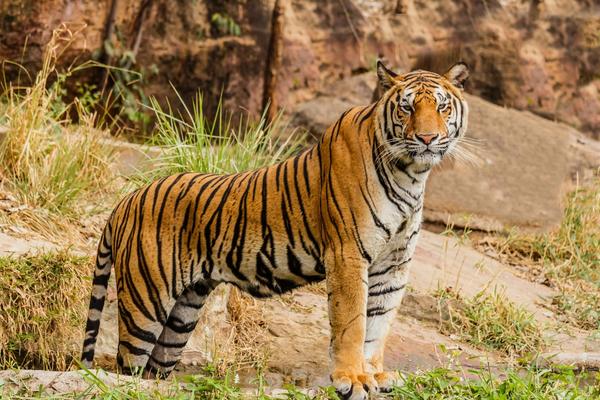
Bardiya, in Nepal’s western Terai, is one of the country’s best destinations for travelers who want to experience wildlife, nature, and authentic rural life away from the busier tourist routes. Home to Bardiya National Park, the region offers opportunities to see Bengal tigers, one-horned rhinoceroses, wild elephants, crocodiles, deer, and hundreds of species of birds.
But when is the best time to visit Bardiya?
The answer depends on what you want to experience. October to May is generally the most popular period for visiting Bardiya, while the cooler and drier months from October to March are particularly comfortable for jungle safaris and wildlife activities. April and May can be hotter, but wildlife sightings can also become rewarding around water sources.
Best Time to Visit Bardiya at a Glance
For many visitors, October to March is the most comfortable time to explore Bardiya.
After the monsoon season, the landscape becomes fresh and green, rivers and wetlands are replenished, and temperatures gradually become more pleasant. The skies are often clearer, making this period suitable for jungle safaris, walking tours, birdwatching, and exploring the communities surrounding the national park.
October and November
October marks the transition from the monsoon season to the dry season. The park is lush and green, while November generally brings cooler and clearer weather.
This is an excellent period for travelers interested in combining wildlife experiences with comfortable outdoor activities.
You may enjoy:
- Jeep safaris
- Jungle walks
- Birdwatching
- Canoe trips
- Nature walks
- Tharu cultural experiences
- Village tours
December to February: Cool Winter in Bardiya
December, January, and February are among the coolest months in Bardiya.
Mornings and evenings can be chilly, but daytime conditions are generally comfortable for exploring the park. The relatively dry conditions can make wildlife areas easier to explore.
If you are planning several days of safari activities, winter can be a particularly comfortable time because you can spend longer periods outdoors without the intense heat of the late spring months.
Pack a warm layer for early mornings and evenings, especially if you are planning an early safari.
March to May: Hot but Exciting for Wildlife
Spring brings warmer temperatures to Bardiya.
March can still be quite comfortable, while April and May become increasingly hot. During the hotter part of the day, outdoor activities can be tiring, so early-morning and late-afternoon safaris are particularly useful.
The dry conditions can also concentrate animals around rivers, ponds, and other water sources. This can create interesting opportunities for wildlife observation.
If you visit during April or May, carry:
- A reusable water bottle
- Sunscreen
- A hat or cap
- Sunglasses
- Lightweight clothing
- Insect repellent
- Comfortable walking shoes
June to September: Monsoon Season
The monsoon generally brings frequent rainfall to Bardiya and the surrounding Terai.
The landscape becomes exceptionally green, rivers and streams fill with water, and the forest takes on a different character. However, heavy rain can make some roads and trails more challenging, and wildlife activities may be affected by weather conditions.
For travelers primarily interested in traditional safari experiences, the monsoon months are generally less convenient than the drier seasons.
However, visitors who enjoy lush landscapes, fewer tourists, and the atmosphere of Nepal's rainy season may still find Bardiya interesting during this period.
Always check local conditions before traveling during the monsoon.
Which Month Is Best for Wildlife?
Wildlife sightings are never guaranteed because animals move naturally through the park and forest.
However, the dry season can make wildlife observation easier in some areas because vegetation changes and animals may spend more time around available water sources.
November through April can therefore be an attractive period for travelers particularly interested in wildlife observation, while March and April can offer warm conditions and opportunities around water sources.
Remember that seeing a tiger, rhinoceros, elephant, or other major wildlife is a matter of chance. A responsible safari should focus on enjoying the entire ecosystem rather than expecting a particular animal to appear.
Best Time for Birdwatching
Bardiya is also an excellent destination for bird lovers.
The park and surrounding wetlands, forests, grasslands, and river environments support a wide range of resident and migratory birds.
For birdwatchers, the cooler months can be particularly rewarding, while the wider seasonal changes bring different species and behaviors throughout the year.
Bring binoculars and allow plenty of time. Birdwatching is often about slowing down and paying attention to sounds, movement, and small details in the forest.
Best Time for a Jungle Safari
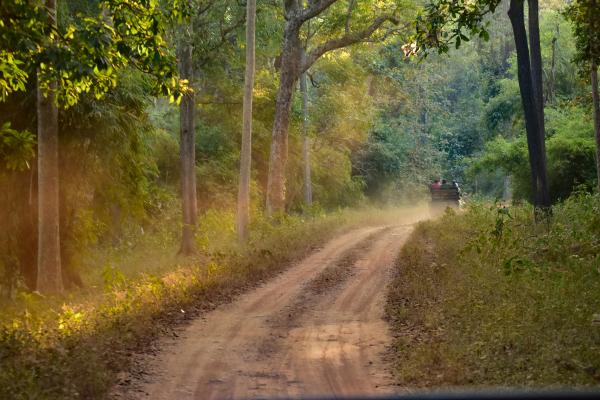
For a classic Bardiya jungle safari, October to May is generally a practical travel window.
During this period, visitors can combine different activities depending on weather and park conditions, including:
- Jeep safari
- Jungle walking
- Birdwatching
- Canoeing
- Wildlife photography
- Nature walks
- Tharu village experiences
Early mornings and late afternoons are often particularly enjoyable because temperatures are more comfortable and wildlife activity can be rewarding.
Best Time for Families
Families may prefer the cooler months from October to March, when temperatures are generally more comfortable for spending time outdoors.
If you are traveling with children, plan activities around the weather and avoid spending too much time outside during the hottest part of the afternoon in April and May.
A comfortable itinerary might combine a morning wildlife activity with a relaxed afternoon at your accommodation before another evening activity.
Best Time for Photographers
Photographers can find something interesting in Bardiya throughout the year.
The dry season can provide clearer conditions and easier wildlife observation, while the post-monsoon landscape offers rich greenery and dramatic natural scenery.
For wildlife photography, patience is more important than simply choosing a particular month. Spend time with experienced local guides who understand animal behavior and the park environment.
Always follow wildlife-viewing rules and maintain a safe distance from animals.
Why Visit Bardiya?
Bardiya offers more than a traditional jungle safari.
The surrounding region provides opportunities to experience Nepal's western Terai landscape, local communities, rivers, forests, grasslands, and traditional Tharu culture.
A visit can include a combination of:
Wildlife: Look for Bengal tigers, one-horned rhinoceroses, elephants, deer, crocodiles, monkeys, and many other species.
Birdwatching: Explore forests, wetlands, grasslands, and river habitats for a variety of bird species.
Nature: Walk through forests and grasslands and experience the quieter side of Nepal's wilderness.
Culture: Meet local communities and learn about Tharu traditions, food, music, and daily life.
Adventure: Explore Bardiya through jungle walks, jeep safaris, canoeing, and other nature-based activities.
How Many Days Should You Spend in Bardiya?
For a first visit, 2 to 4 nights can provide enough time to experience several activities without rushing.
A longer stay gives you more opportunities for wildlife observation and increases the amount of time you can spend exploring different habitats.
For example:
2 Nights
A short trip could include a jungle safari, nature activity, and cultural experience.
3 Nights
Three nights allow you to combine several wildlife activities with a more relaxed schedule.
4 Nights or More
A longer stay provides additional opportunities for birdwatching, wildlife photography, jungle walks, village experiences, and exploring the surrounding area.
What to Pack for Bardiya
Your packing list should change depending on the season.
For the Dry and Cooler Months
- Lightweight clothing
- A warm jacket or fleece for early mornings
- Comfortable walking shoes
- Hat or cap
- Sunglasses
- Sunscreen
- Binoculars
- Camera
- Insect repellent
- Reusable water bottle
For the Hot Season
- Lightweight breathable clothing
- Sun protection
- Extra drinking water
- Sunglasses
- Hat
- Sunscreen
- Insect repellent
For the Monsoon
- Lightweight rain jacket
- Waterproof bag
- Quick-drying clothing
- Waterproof footwear
- Insect repellent
- Extra protection for cameras and electronics
Final Thoughts: When Should You Visit Bardiya?
The best time to visit Bardiya depends on your travel priorities.
For comfortable weather and a classic wildlife experience, October to March is a particularly attractive period. November to February offers cooler conditions, while March to May can be warmer and may provide interesting wildlife-viewing opportunities around water sources.
The monsoon months bring a greener and wetter Bardiya and can appeal to travelers who enjoy quieter travel and lush landscapes, although weather conditions can affect activities.
Whenever you visit, Bardiya is best experienced slowly. Give yourself time to listen to the forest, observe wildlife responsibly, meet local people, and appreciate the landscapes of Nepal's western Terai.
Ready to explore Bardiya?
Plan your jungle adventure with Babai Outback Adventures and experience the wildlife, nature, culture, and hospitality of Bardiya, Nepal.