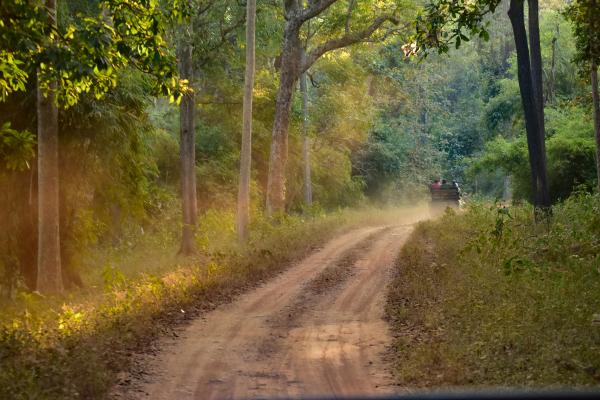
When Is the Best Time to See Tigers in Bardiya?
Discover the best time to see tigers in Bardiya National Park, along with practical safari tips, wildlife safety rules, and what to expect during your visit.
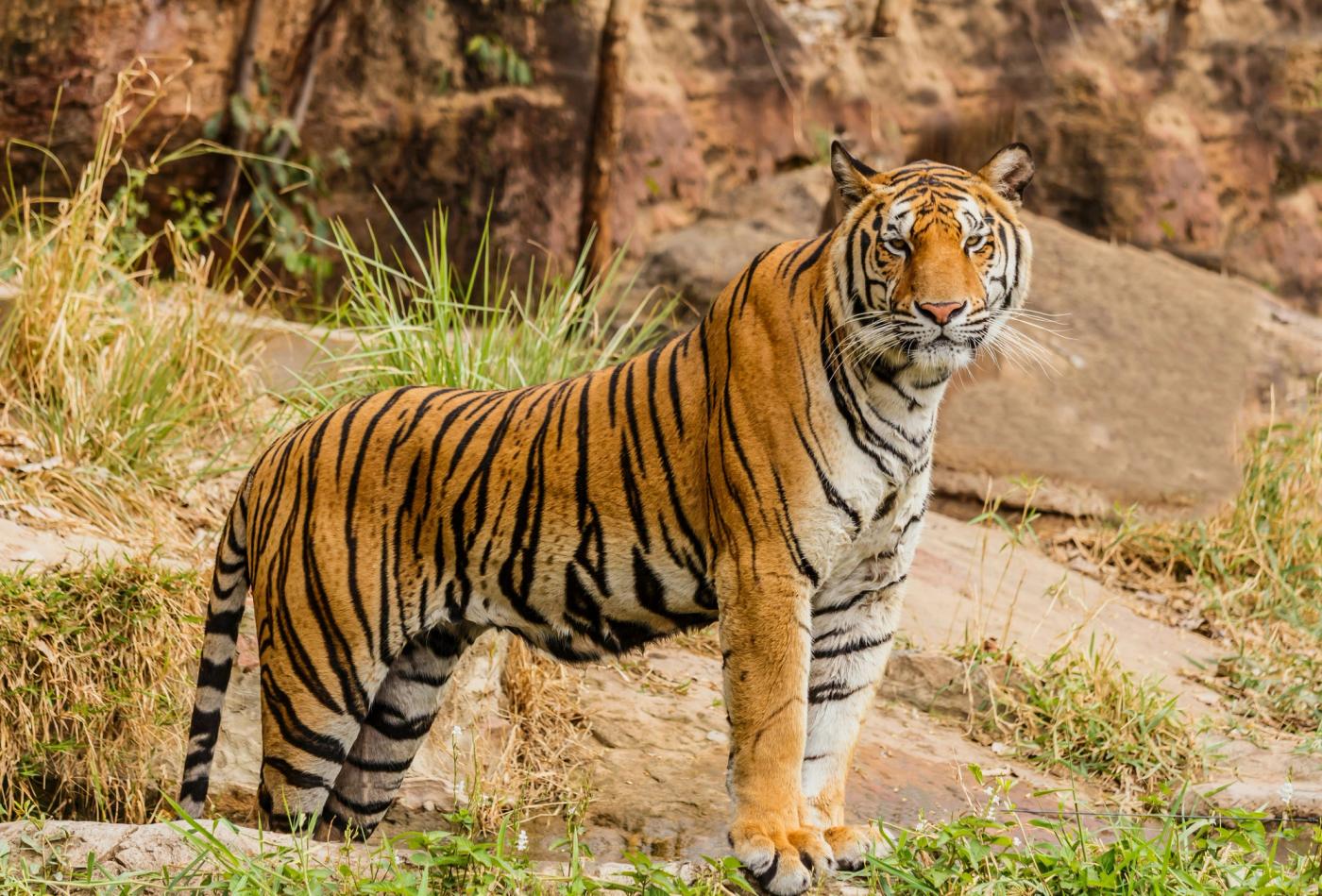
When Is the Best Time to See Tigers in Bardiya?
Seeing a Royal Bengal tiger in the wild is very different from seeing one in captivity.
There is no schedule, no guaranteed sighting and no particular trail where a tiger must appear.
That uncertainty is part of what makes a safari in Bardiya National Park so fascinating.
Bardiya is one of Nepal's important tiger habitats, and Nepal Tourism Board notes that tiger sightings are relatively frequent compared with some other national parks. The park is also home to rhinoceros, elephants, deer, crocodiles and many species of birds.
When Is the Best Time to See Tigers?
For comfortable wildlife watching, the dry months are generally the most practical.
Nepal Tourism Board lists October to March as the best season for visiting Bardiya, while April to June can become very hot and July to September is the rainy season.
The dry season can make wildlife easier to look for because vegetation and water availability influence where animals spend their time. However, a tiger sighting is never guaranteed.
A good safari is therefore not simply about choosing the right month.
It is also about patience, observation and understanding the behaviour of the forest.
What Should You Do on a Tiger Safari?
Stay Quiet
Wild animals notice sound long before people notice them.
Keep conversations quiet and listen to the forest. Alarm calls from deer, monkeys and birds can sometimes provide useful clues about the presence of a predator.
Listen to Your Guide
Experienced wildlife guides spend a great deal of time reading tracks, calls, movement and other signs.
If your guide asks everyone to remain quiet or points towards a particular area, there may be something worth observing.
Keep Your Distance
A wild tiger is not a photo opportunity that should be approached at close range.
Bardiya's management guidance emphasizes maintaining a safe distance from wildlife and not chasing animals.
Be Patient
You might spend hours without seeing a tiger.
That does not mean the forest is empty.
Tracks, pugmarks, alarm calls, bird activity, deer and other animals are all part of understanding the ecosystem.
What Should You NOT Do?
There are some simple rules that can make a safari safer for both visitors and wildlife.
- Do not chase an animal to get a photograph.
- Do not try to get closer to a tiger or other wild animal.
- Do not shout or make unnecessary noise.
- Do not feed wildlife.
- Do not litter.
- Do not leave the vehicle or designated route unless your guide and park rules specifically allow it.
- Do not smoke or drink alcohol during park activities.
- Do not try to attract an animal for a photograph.
- Do not ignore your guide's instructions.
Bardiya's management plan specifically identifies maintaining silence, keeping distance from wildlife, not chasing animals, using designated places for stops and disposing of litter properly as important tourism practices.
What If Something Goes Wrong?
Wildlife tourism requires visitors to understand that they are entering an environment where wild animals move freely.
If you encounter a potentially dangerous animal unexpectedly, the most important thing is not to panic or act independently.
If You Encounter a Tiger
Do not approach it, chase it or attempt to get out of the vehicle for a closer photograph.
Stay with your group and follow the instructions of your guide or safari driver.
If an Animal Approaches the Vehicle
Do not try to attract its attention.
Remain inside the vehicle unless your guide or park authorities have specifically instructed otherwise.
If You Become Separated From Your Group
Stay where you are if it is safe to do so and contact your guide or the relevant park staff rather than attempting to find your way through the forest alone.
If There Is an Accident or Medical Emergency
Inform your guide immediately and contact the appropriate park or emergency authorities.
Visitors should also carry a charged phone and make sure their guide knows about any important medical or mobility considerations before entering the park.
The Department of National Parks and Wildlife Conservation advises visitors to follow guide instructions, maintain safe distances, stay on designated trails and inform park authorities about itineraries.
Remember: A Tiger Sighting Is Never Guaranteed
The goal of a wildlife safari should not be simply to collect a photograph of a tiger.
The tiger is part of a much larger ecosystem.
You may see a rhinoceros instead. You may watch deer crossing a grassland. You may hear an alarm call and never discover what caused it. You may spend an entire morning searching and return without seeing the animal you hoped for.
That is wildlife.
The forest decides what you see.
And sometimes, the most memorable safari is the one where you learn to observe everything—not just the tiger.
Planning a Safari in Bardiya?
For current safari options, transportation, guides and prices, contact Babai Outback Adventures directly.